Author: Clark Jones

Clark Jones, PhD is a pharmaceutical scientist and medical writer with expertise in molecular biology, oncology, and chemistry. He has worked in the fields of oncology research, regenerative medicine, and pharmaceutical quality control, and holds extensive experience with peptide formulations and development in research. In his work, he translates complex scientific literature into evidence-based content while maintaining regulatory and scientific integrity. Every article he writes for Velora Research is grounded in primary sources and framed for a research audience.

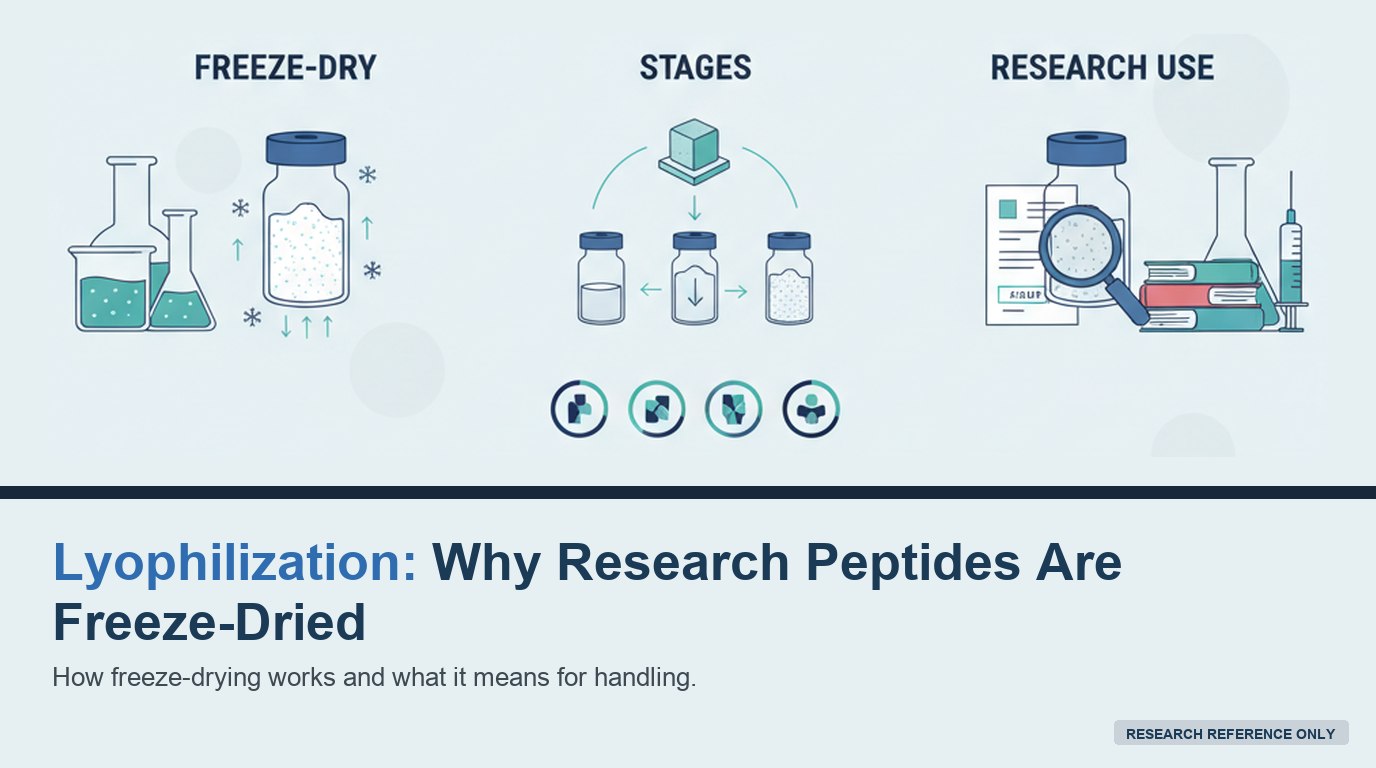
Lyophilization: Why Research Peptides Are Freeze-Dried

Quick answer: Lyophilization, or freeze-drying, removes water from a peptide by freezing it and then pulling the ice off as vapor under vacuum, leaving a dry powder. Peptides are often lyophilized because reducing water content can slow many chemical and physical degradation processes, improving stability for appropriately formulated products. Understanding why a peptide is lyophilized
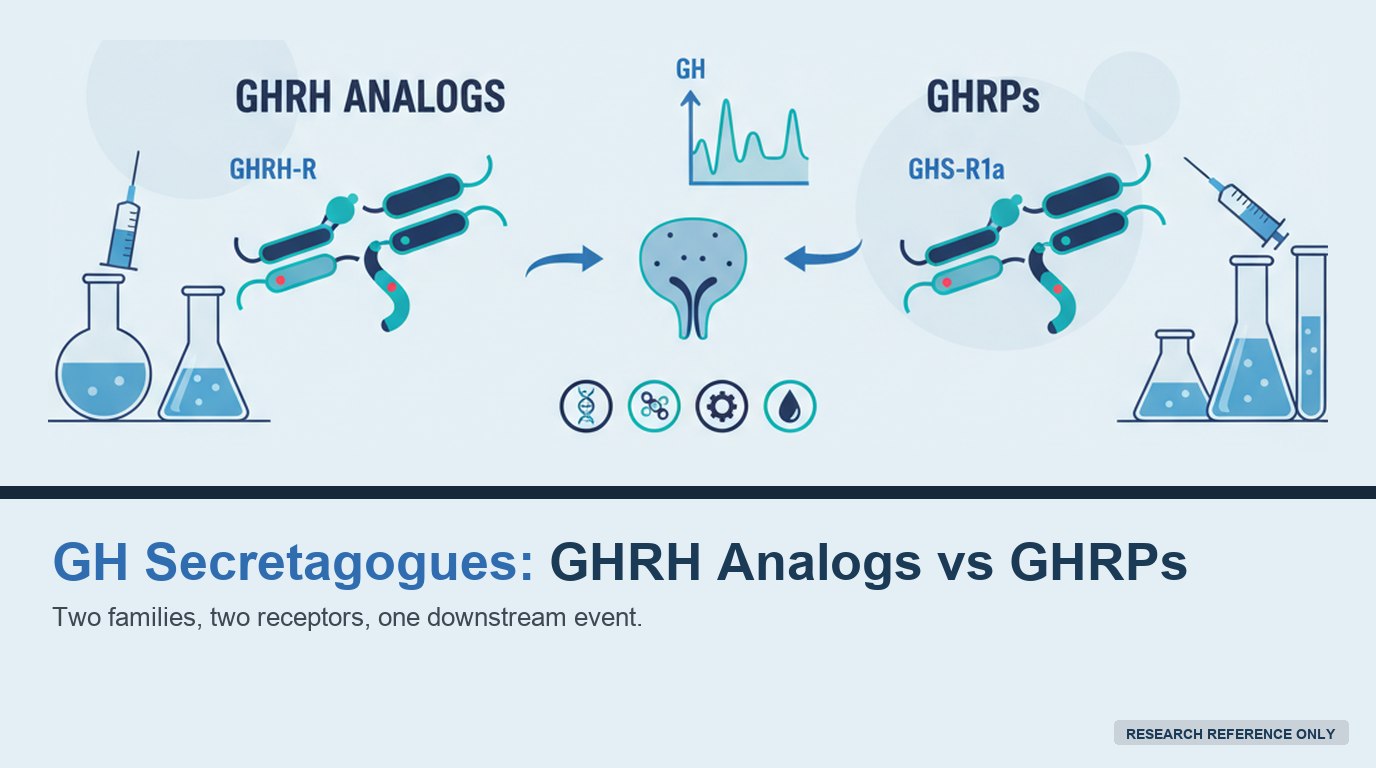
Growth-Hormone Secretagogues: GHRH Analogs vs GHRPs, Explained

Quick answer: Growth-hormone secretagogues are compounds that prompt the pituitary to release growth hormone, and they fall into two families that act on two different receptors. GHRH analogs, such as sermorelin, tesamorelin, and CJC-1295, bind the growth-hormone-releasing-hormone receptor. GHRPs, such as ipamorelin, bind the ghrelin receptor (GHS-R1a). Because the two families act through independent pathways

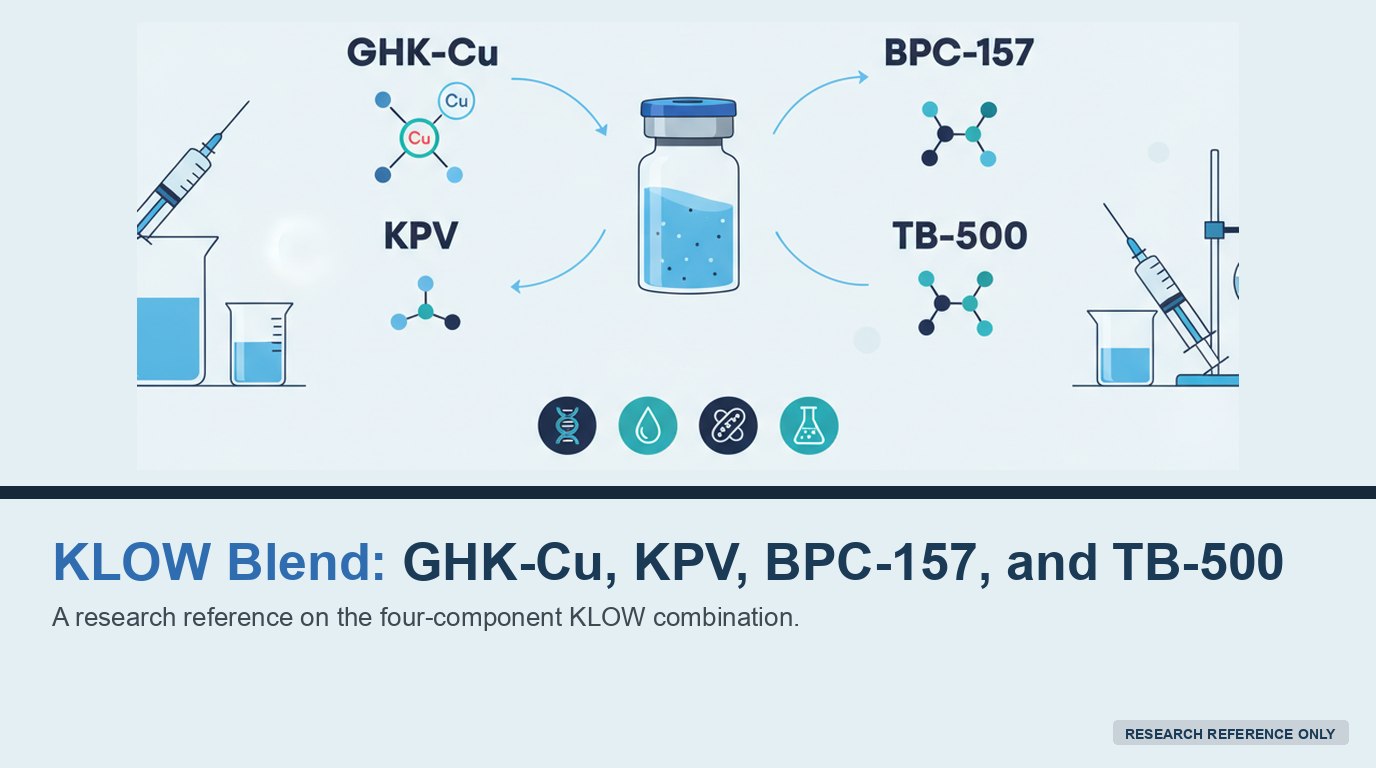
KLOW Peptide Blend: GHK-Cu, KPV, BPC-157, and TB-500

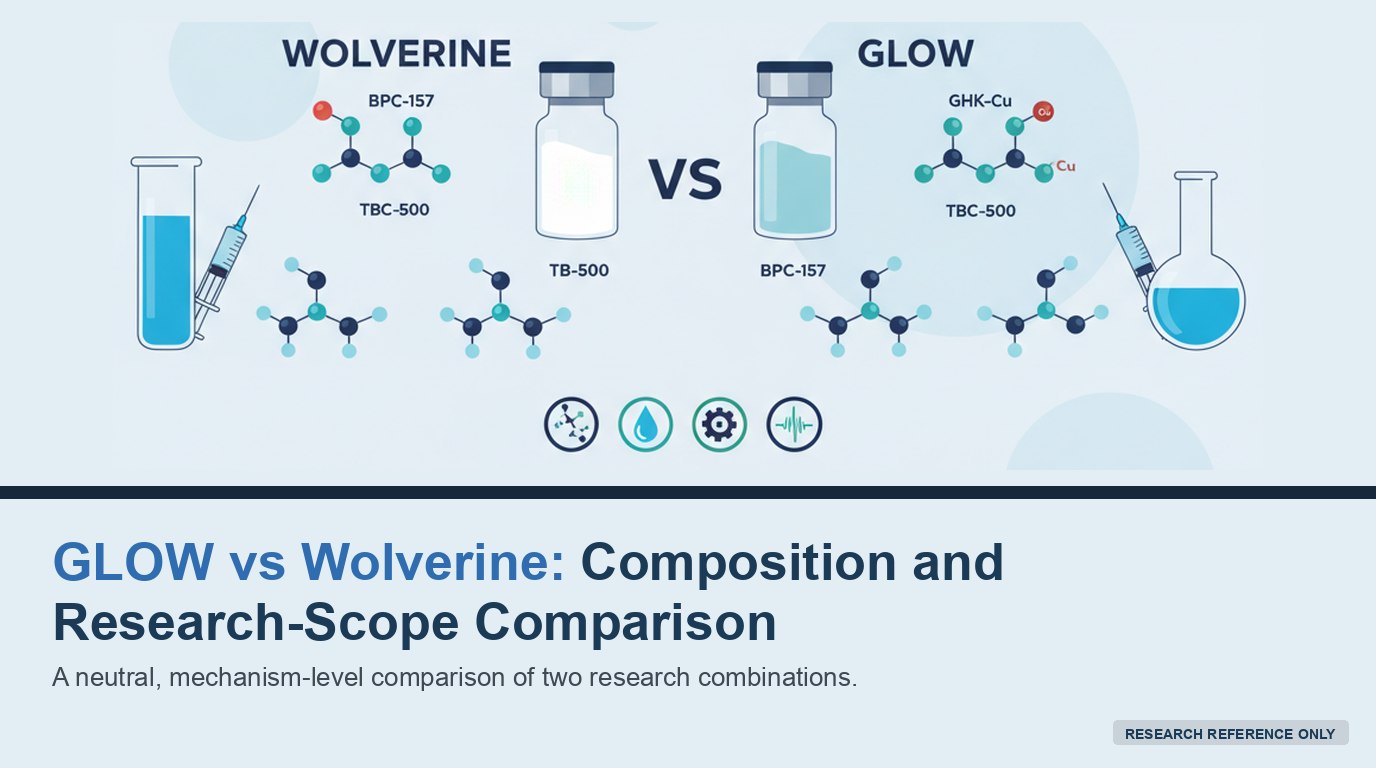
Quick answer: KLOW is a multi-peptide research blend supplied as a single 80 mg lyophilized vial. It is the generic industry KLOW formulation and combines four components: GHK-Cu, KPV, BPC-157, and TB-500. Read another way, it is the two peptides of the Wolverine Blend (BPC-157 and TB-500) together with the copper tripeptide GHK-Cu and the

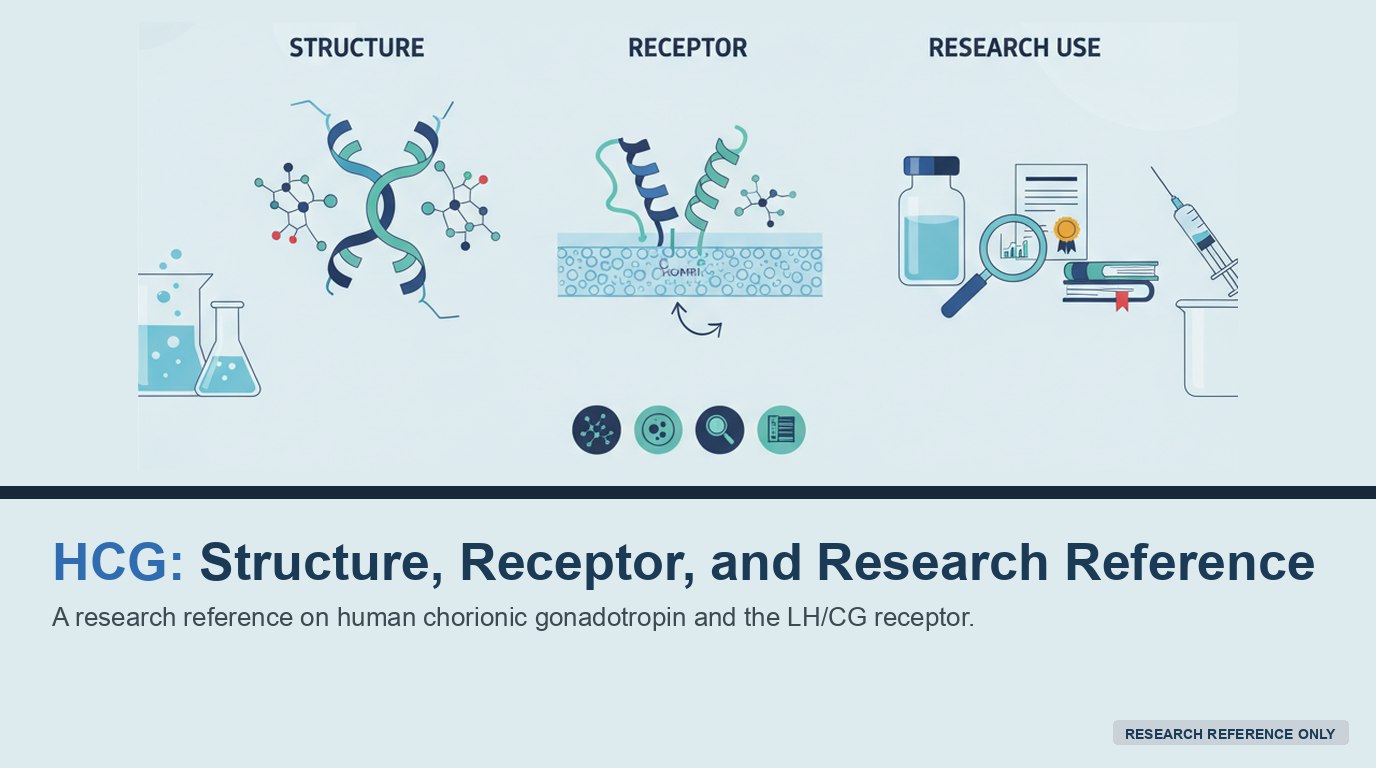
HCG (Human Chorionic Gonadotropin): Structure, Receptor, and Research Reference

Quick answer: Human chorionic gonadotropin (hCG) is a glycoprotein hormone built from two different subunits, and it acts on the same receptor as luteinizing hormone, the LH/CG receptor (LHCGR). It is a large molecule, roughly 36.7 kDa, and it usually is quantified in International Units (IU) of biological activity rather than in milligrams. Prescription hCG

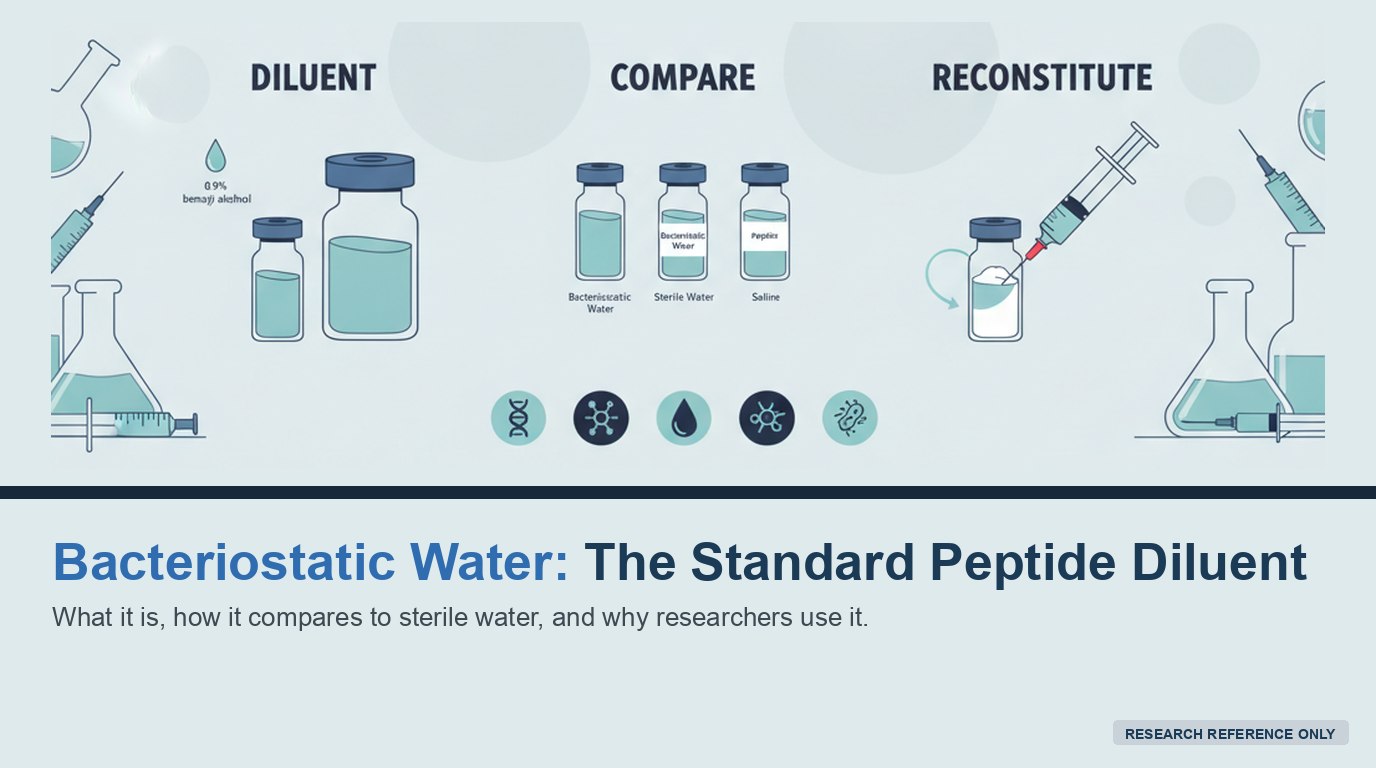
Bacteriostatic Water for Peptides: What It Is and Why Researchers Use It

Quick answer: Bacteriostatic water is sterile water with 0.9% benzyl alcohol added as a preservative. That preservative inhibits microbial growth in the vial after each needle puncture, which is what lets a researcher draw from the same vial repeatedly rather than discarding it after one use. It is a common diluent for reconstituting lyophilized research