Author: Clark Jones

Clark Jones, PhD is a pharmaceutical scientist and medical writer with expertise in molecular biology, oncology, and chemistry. He has worked in the fields of oncology research, regenerative medicine, and pharmaceutical quality control, and holds extensive experience with peptide formulations and development in research. In his work, he translates complex scientific literature into evidence-based content while maintaining regulatory and scientific integrity. Every article he writes for Velora Research is grounded in primary sources and framed for a research audience.

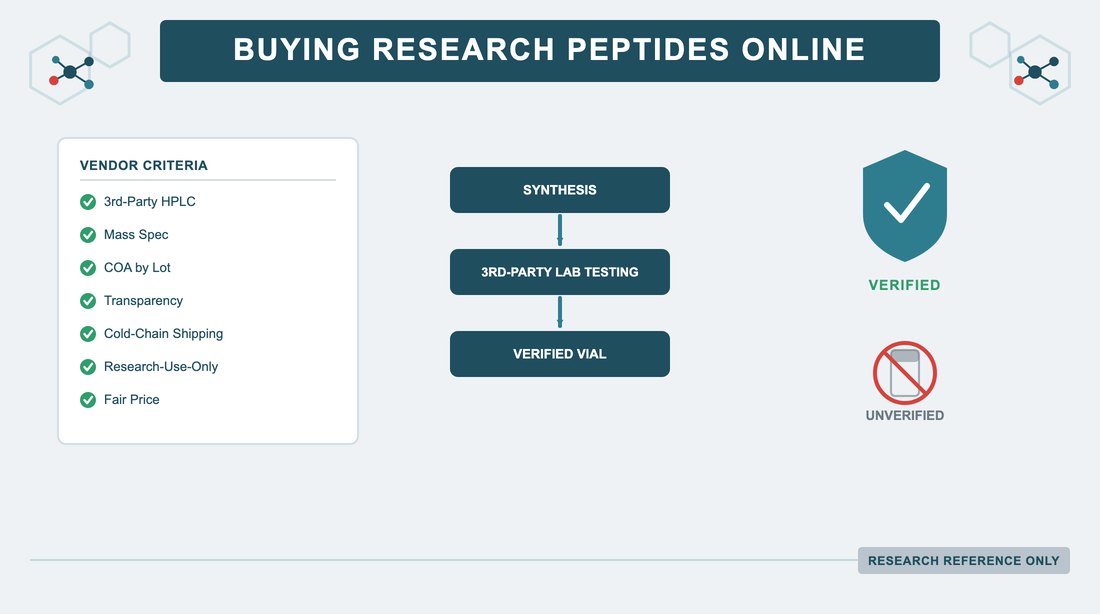
Buying Research Peptides Online: 7 Vendor Criteria and a Vetting Checklist

Quick answer: When you buy research peptides online, the vendor’s analytical rigor matters more than the price. Look for third-party HPLC and mass-spec testing on every batch, Certificates of Analysis you can access by lot number, transparent testing and compliance language, and reasonable pricing that reflects verification rather than a race to the bottom. The
Peptide Storage Guide Temperature, Light, and Stability for Research Compounds

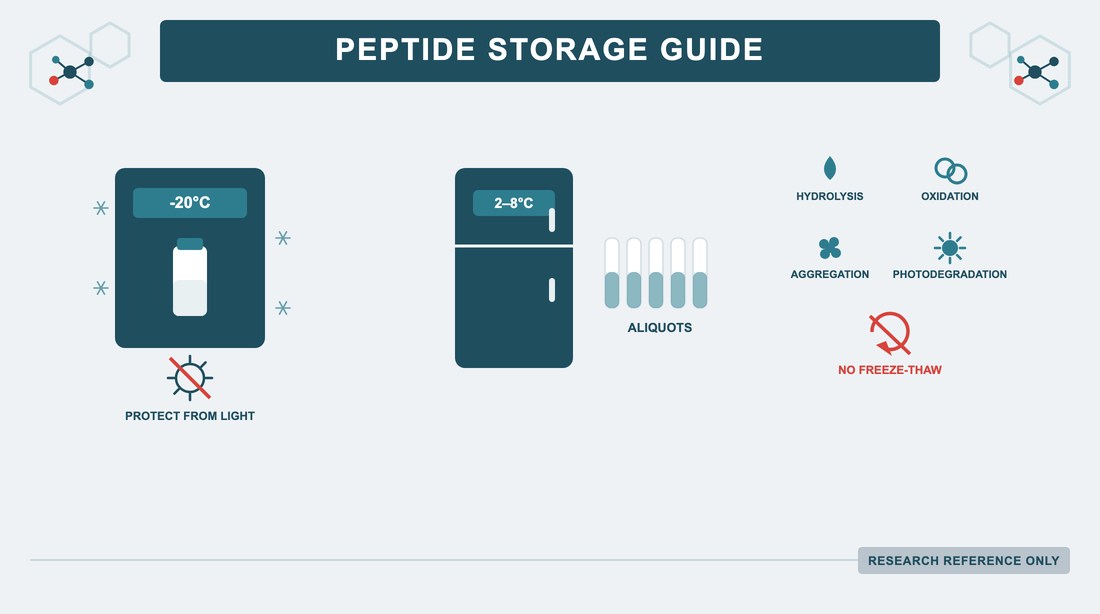
Quick answer: Store lyophilized peptides sealed at -20°C, protected from light. Once reconstituted, keep the working stock at 2 to 8°C, still protected from light, and avoid repeated freeze-thaw cycles by working in single-use aliquots. Some peptide classes have extra sensitivities worth knowing: copper complexes like GHK-Cu are photochemically active, and any peptide’s specific usable

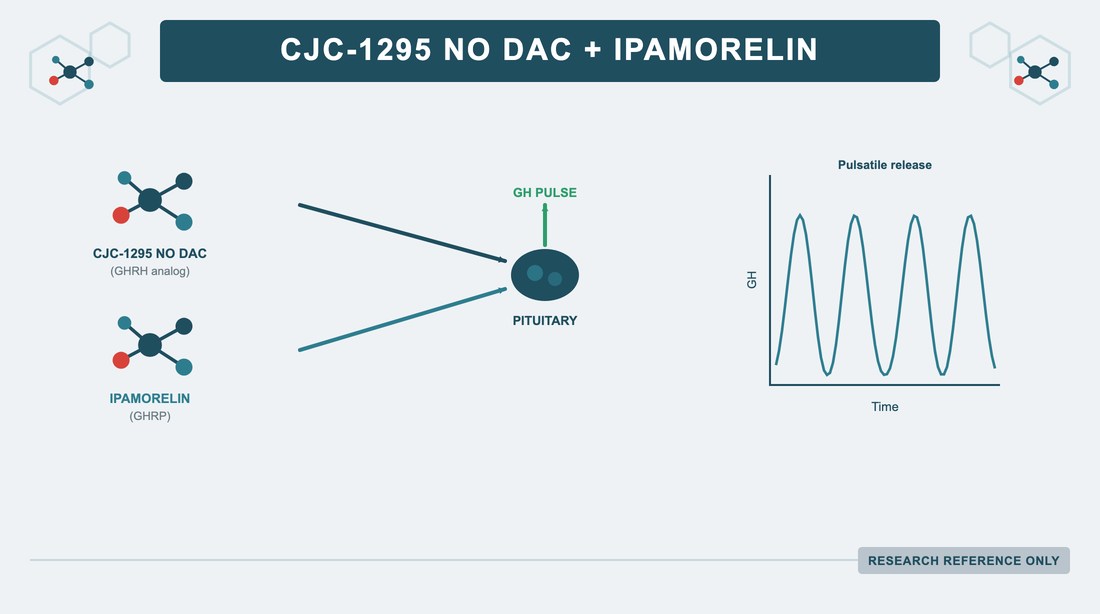
CJC-1295 No DAC + Ipamorelin: Co-Administration Mechanism and Research Reference

Quick answer: CJC-1295 No DAC and ipamorelin are two growth-hormone-axis research peptides that act on different receptors, which is why they are often studied together. CJC-1295 No DAC (also called Modified GRF 1-29) is a stabilized GHRH analog with a relatively short functional half-life of roughly 30 minutes. Ipamorelin is a selective ghrelin-receptor agonist. Neither

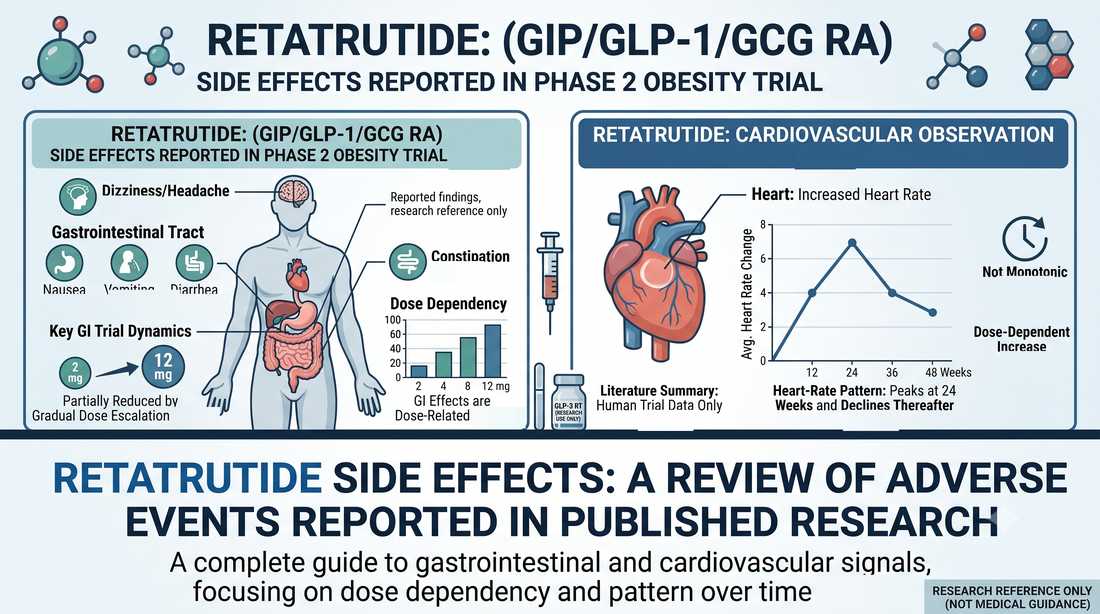
Glp3-Rt Side Effects: A Review of Adverse Events Reported in Published Research

Quick answer: In the published Phase 2 trial of Glp3-Rt, the most common adverse events were gastrointestinal; they were dose-related, they were mostly mild to moderate in severity, and they were partly reduced by starting at a lower dose. The trial also reported dose-dependent increases in heart rate that peaked around 24 weeks and declined

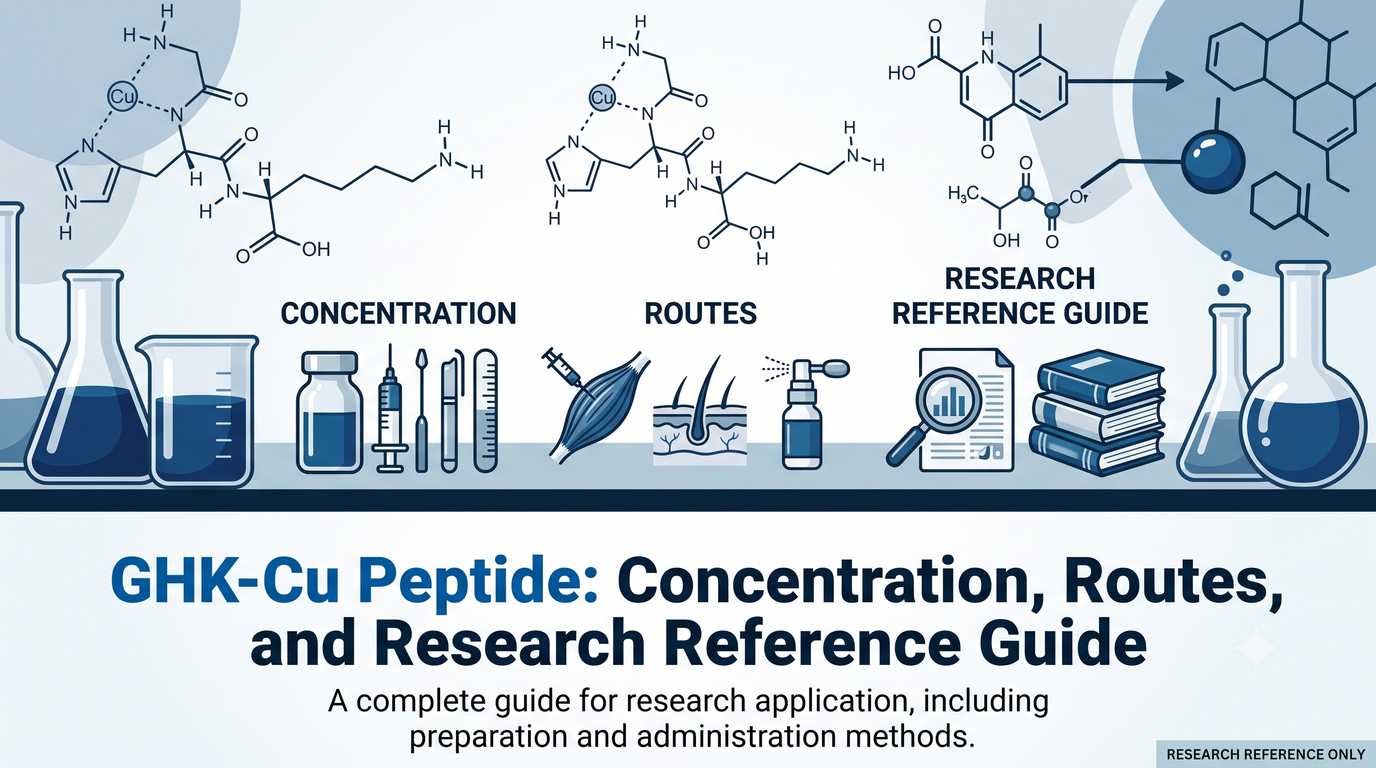
GHK-Cu Peptide: Concentration, Routes, and Research Reference Guide

By Clark Jones, PhD, Velora Research Written and reviewed for scientific accuracy by Clark Jones, PhD ([ORCID 0009-0005-9356-0297](https://orcid.org/0009-0005-9356-0297)). Last reviewed 2026-05-28. Quick answer: GHK is a short tripeptide that forms a high-affinity complex with copper(II), producing the GHK-Cu complex most commonly investigate in research. In the lab it ships as a blue-tinted lyophilized powder, and