
veloraresearch.com

Semax Peptide: Mechanism, Research Areas, and Reconstitution Reference

Quick answer: Semax is a synthetic seven-amino-acid peptide derived from a short fragment of adrenocorticotropic hormone (ACTH), with a C-terminal Pro-Gly-Pro extension (stabilizing tail) that increases resistance to enzymatic degradation. The published research characterizes it mostly in brain-derived neurotrophic factor (BDNF) signaling and cerebrovascular models, and it is one of the most heavily studied compounds


Selank Peptide: Mechanism, Research Areas, and Reconstitution Reference

Quick answer: Selank is a synthetic seven-amino-acid peptide built from the natural immunomodulatory tetrapeptide tuftsin, with a stabilizing tail added so it survives longer in solution. Most of the published research characterizes it in anxiety and GABA-system models, largely from Russian and Eastern European groups. It is approved as a prescription medication for certain neurological

Tesamorelin vs Sermorelin vs Ipamorelin: A Research Comparison of GHRH Analogs and GHRPs

Quick answer: Sermorelin, tesamorelin, and ipamorelin are three short peptides that all end up in growth-hormone-axis research, but they don’t act through the same receptor. Sermorelin and tesamorelin are growth-hormone-releasing hormone (GHRH) analogs. Ipamorelin is a growth-hormone-releasing peptide (GHRP) that acts through the ghrelin receptor. Tesamorelin is the only one of the three that is

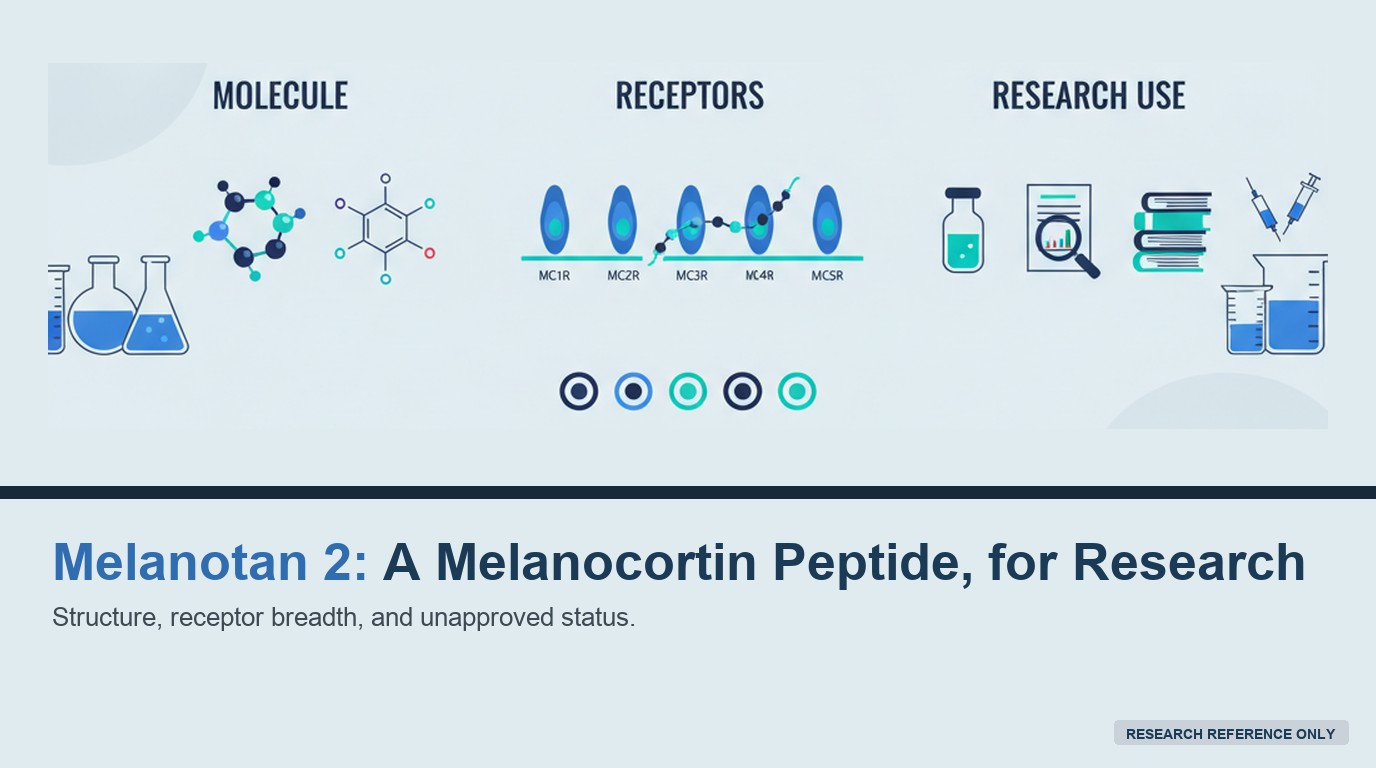
Melanotan 2: A Research Reference on the Melanocortin Peptide

Quick answer: Melanotan 2 (MT-2) is a synthetic cyclic peptide that acts as a broad agonist of melanocortin receptors, the receptor family involved in pigmentation and several other pathways. It is not approved for any use by any regulator, a status worth stating up front. In research it is studied for melanocortin-receptor pharmacology and pigmentation

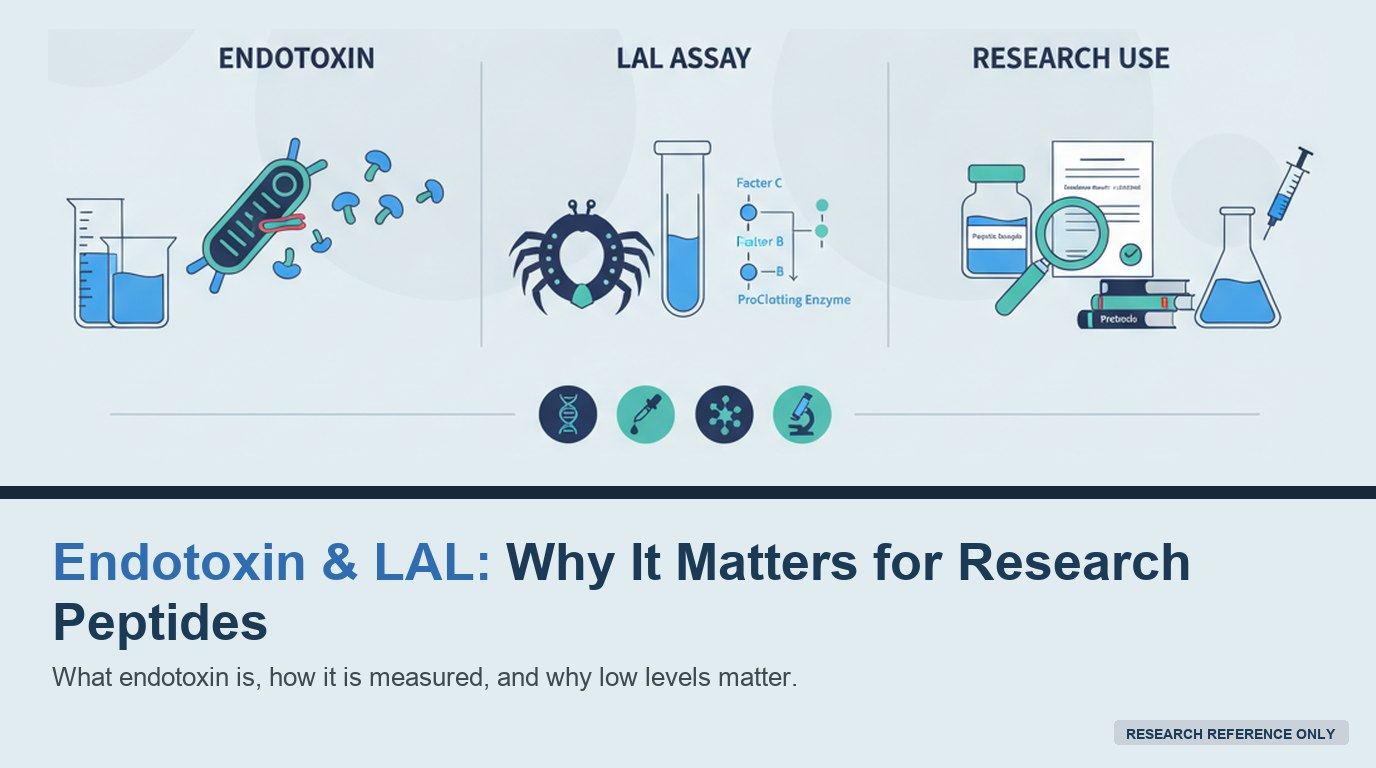
Endotoxin and the LAL Assay: Why It Matters for Research Peptides

Quick answer: Bacterial endotoxin is a contaminant from the outer membrane of Gram-negative bacteria that can distort cell-based and immunological experiments even at very low levels. Bacterial endotoxin testing traditionally uses the Limulus amebocyte lysate (LAL) based method as the standard way to measure it, with recombinant methods now also available. A low endotoxin result

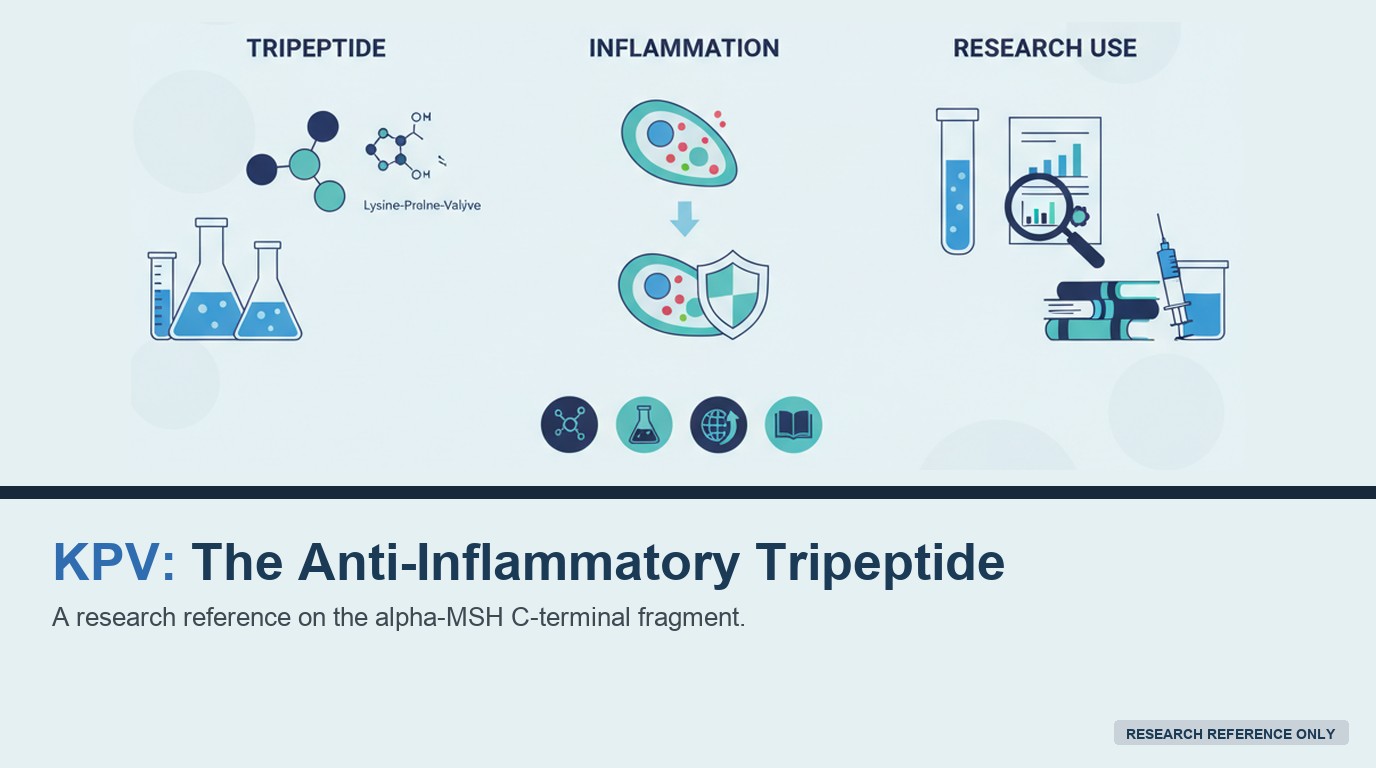
KPV: A Research Reference on the Anti-Inflammatory Tripeptide

Quick answer: KPV is a tripeptide, lysine-proline-valine, that corresponds to the C-terminal three residues of alpha-melanocyte-stimulating hormone (alpha-MSH). It is studied primarily as an anti-inflammatory peptide. It is not FDA-approved for any use, and Velora supplies it as one component of the KLOW research blend for in vitro, ex vivo, and in silico work only.